
The Future Homes Standard is pushing UK new builds towards low-carbon heating and much higher energy performance. In practice, that means homes that are more electrified, more interconnected, and more technically demanding than the “classic” domestic installs many of us cut our teeth on.
That is good news for the trade, but it also raises the bar for electrical safety and for the test equipment you rely on day to day.
This guide breaks down what is changing, where risk tends to creep in, and what electricians should be thinking about when it comes to verification, documentation and competence.
What the Data Already Tells Us
Health and Safety Executive (HSE) RIDDOR statistics for the 2024/25 period record approximately 150 reported work related electrical contact incidents, with 7 fatal outcomes.
Statistics taken from RIDDOR (Reporting of Injuries, Diseases and Dangerous Occurrences Regulations)
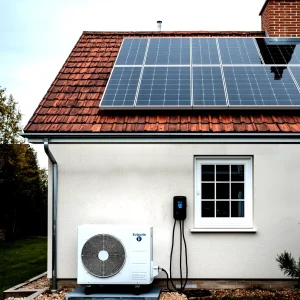
The relevance to the Future Homes Standard 2025 is not that it introduces new hazards, but that it accelerates trends toward higher electrical loads and more complex systems operating continuously. As homes evolve, electrical systems are no longer limited to simple lighting and socket circuits. Heat pumps, inverter-driven compressors, mechanical ventilation, EV charge points, and energy management systems are becoming the new baseline.
What is the Future Homes Standard?
The Future Homes Standard is the direction of travel for how new homes are designed and built to reduce emissions and improve efficiency.
You will see the knock-on effects show up across building and installation decisions, including:
Low-carbon heating (for example heat pumps instead of fossil fuel systems)
Higher fabric efficiency (airtightness and insulation improvements)
More on-site generation and smart control (solar PV, battery storage, load management)
Greater focus on ventilation and overheating (because airtight homes must still breathe safely)
The headline for electricians is simple: new homes are becoming power-dense and system-heavy, and that changes the testing and safety conversation.
What changes on site for electricians?
1) More electrified loads and new failure modes
Heat pumps, EV charging, PV inverters, battery storage and smarter consumer units change the shape of risk.
You are more likely to encounter:
Higher continuous loads
More power electronics (inverters and converters)
DC components and higher-frequency leakage currents
More protective devices and more complexity in fault-finding
2) Ventilation matters more than ever
As homes get more airtight, ventilation performance becomes critical for occupant health and for compliance.
Even if you are not installing the ventilation system, you are increasingly working alongside it, and you may be asked to support:
electrical supply and isolation provisions
controls and interlocks
verification evidence and handover documentation
3) Paperwork, proof and traceability
The industry trend is moving toward clearer “as built” evidence: results, labelling, commissioning details, and traceable calibration.
In plain terms: if it is not recorded well, it did not happen.
Electrical safety: where the real risks show up
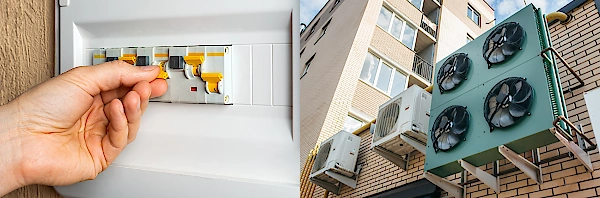
The Future Homes Standard is not “an electrical regulation”, but it accelerates conditions that make electrical safety easier to get wrong:
Incorrect protective device selection for modern loads
Poor segregation or routing in tighter building fabric
Assumptions during alterations (especially where PV, batteries or EV points are present)
Inadequate isolation planning on multi-source systems
Testing gaps caused by unfamiliar technology or rushed commissioning
None of this is new in principle. What is new is how often you will see these situations on normal domestic jobs.
Testing and commissioning priorities (the non-negotiables)
The basics still win. Every time.
Your verification approach should stay disciplined and consistent, especially where systems are more complex:
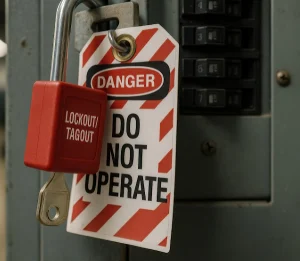
Safe isolation and proving dead (every time, no shortcuts)
Continuity of protective conductors
Insulation resistance where appropriate
Polarity confirmation
Earth fault loop impedance and prospective fault current checks
RCD verification and functional checks where required
Clear, complete test records for handover
Where homes include PV, EV charging or battery storage, you also need to be confident with the extra layers of verification those systems introduce, plus the practical realities of isolation and fault-finding on multi-source installations.
What this means for your test kit
If you are working on “Future Homes style” installs, your kit needs to match the reality on site:
Safe isolation essentials
You need a reliable, repeatable safe isolation process with:
A dependable voltage indicator
A proving unit
A method that is consistent across jobs and teams
Core electrical testing
Most electricians will want ready access to:
A multifunction tester suitable for the work they undertake
A clamp meter for diagnostics and load checks
Simple, fast checks for polarity and basic socket verification where appropriate
Job-ready extras you will see more often
Depending on what you touch, the following increasingly stop being “nice to have”:
EV charging test accessories and verification capability
PV and battery related checks (and a clear isolation plan)
Airflow/ventilation measurement support where you are involved in commissioning, verification evidence, or cross-trade sign-off
Just as important as the tool itself: confidence, competence and calibration.
Competence is the real standard
The biggest risk with newer technologies is not that they exist, it is that they get treated like “just another circuit”.
If you are installing, testing, inspecting or fault-finding on heat pumps, PV, EV charging, battery systems, or smart controls, build competence deliberately:
Stay current with standards and manufacturer guidance
Use the right methods for safe isolation on multi-source systems
Keep your test instruments in calibration and your results traceable
Closing thought
The Future Homes Standard era is making domestic work feel a lot more like commercial environments: more systems, more interfaces, more documentation, and higher expectations.
Electricians who stay sharp on testing fundamentals, invest in the right kit, and keep competence high will be the ones who thrive.
Socket & See customers are already living in that world, and it is only heading in one direction.